



How to Control Ants Outside Your Home
If you have an ant infestation in your yard, learn about the best ant killers to use outside.
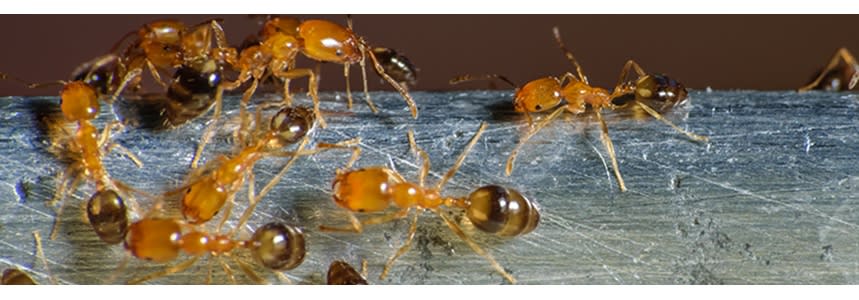
Ants can establish nests outside the home, and this may lead to garden and crop damage. But foraging ants may enter your home, looking for food and water. Once they find a way inside, some ants can even establish nests inside walls, cabinets, behind refrigerators, stoves, ovens, and other appliances, behind windows and window frames, and beneath floors. The best way to prevent this is to exterminate the ants outside before they enter your home.
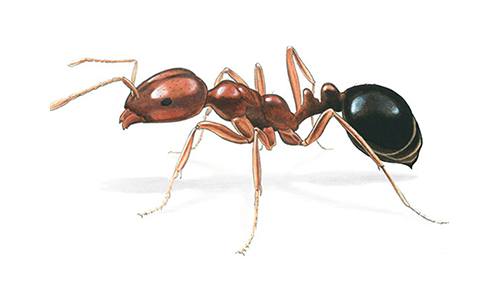
Some ant species even present a health hazard to humans and animals. Stinging ants such as Fire Ants may present a medical problem to individuals who are allergic to their stings. To eradicate a stinging ant population, it is vital that you find the nests. Nests may be in the ground, but also may be hidden under stones or sidewalks.
Refer to Red Fire Ants and Fire Ant Treatment and Top 10 Things to Know about Fire Ant Treatment for more in-depth information and how to treat fire ants.
Ant Inspection
To get your ant problem under control, inspection is an important first step.
To find ant nests, follow their trails. Ants lay down a chemical pheromone trail along their established routes to and from a food source so other ants can easily find the food.
Inspection Inside
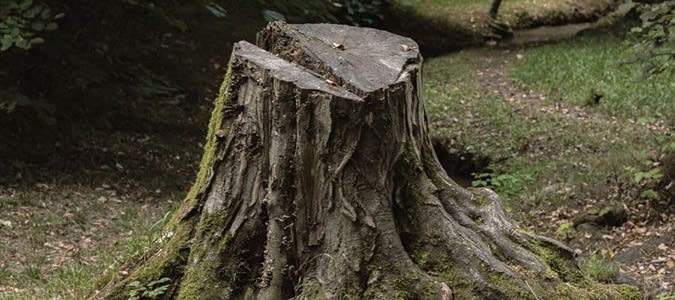
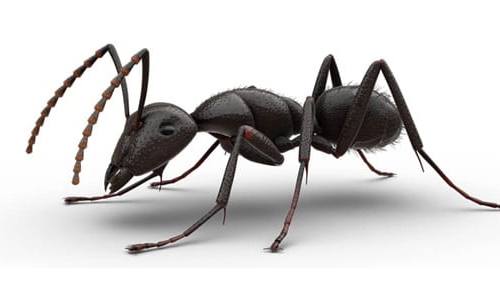
Inside a house, inspect along the carpet edges, doors, windows, and all areas of the kitchen. The easiest way to find a trail to the nest is to watch where ants go after reaching the food source. If you are targeting Carpenter ants, inspection at night is more effective since the larger Carpenter ant is nocturnal. You can spot Carpenter ants emerging from damaged wood inside the house, or foraging outside in woodpiles, rotted or water-damaged wood, and tree stumps.
Inspection Outside
Even if you are only seeing ants inside, it can be quite helpful to inspect outside. Ants often gather food from outside and they may be easier to find and treat outdoors.Inspect around foundation walls, areas of vegetation, and mulch. Any vegetation found near patios and walls may hide some ant nests or their trails. Check under any item that is on the ground. Some ant nests are well hidden. Look for ant trails along edges that occur on the structure. They seem to follow gutters,downspouts,conduit, and cable television wires.
- Follow the trail to find the nest.
- Treat the nest directly if possible or use an ant bait or non-repellent insecticide around the perimeter of the house and on the ant trails.
Controlling Ants on Outside Perimeter with Non-Repellent Insecticides
The best insecticides for ant control as a perimeter treatment are non-repellent insecticides such as Taurus SC, Fuse Insecticide, Termidor SC, Spectre 2 SC.
Ants cannot detect the presence of non-repellent insecticides; since they cannot avoid it, they quickly make contact. Repellent insecticides will scatter the ants and stress the colony. Once an ant colony is stressed, the ants scatter and recolonize in other locations. Once this occurs, you will have more ant colonies to exterminate.
Unlike older insecticides, non-repellent insecticides can't be smelled, tasted, or even felt by pests. They crawl through the treated area, ingesting treated materials or merely contacting the residual insecticide results in their eventual death.
Note: Taurus SC, FUSE Insecticide, Termidor SC are labeled for outdoor use only. Spectre 2 SC may be used inside and outside.
- Spectre PS Aerosol, Phantom Aerosol or Alpine Aerosol, and Advion WDG. are labeled for use inside the home.
Controlling Ants that Enter from the Outside
Many times ants that live outside will find their way inside and become a major nuisance. These ants may not be simply foraging for food and going back outside. They may be seeking a hiding or nesting site. Ant control bait treatments and/or non-repellent residual insecticides can control ants both outside and inside. Some insecticides like Taurus SC, Termidor SC, Dominion 2L, or Fuse SC can only be applied outside. Some like Sprectre PS, Spectre 2 SC, or Advion WDG may be applied inside or outside.
Popular Ant Control Products Outside
Ants In The Yard
The preferred non-repellent insecticides mentioned above are only labeled for perimeter or treatment of ant trails, so cannot be used as a broadcast application. Broadcast applications should be done with Bifen It Insecticide or Bifen LP. The Bifen LP Granules will last three months. Bifen IT will last about a month. Bifen It is more versatile, and can be used for a variety of outside insects such as Fleas, Ticks and Mosquitoes.- Trim all trees and bushes, so branches do not touch the house.
- Correct moisture problems such as leaky roofs and plumbing.
- Paint and/or seal exposed wood construction before it becomes wet.
- Replace rotted, water-damaged, and previously Ant-infested wooden parts of the structure.
- Eliminate wood/soil contacts.
- Remove dead stumps on the property and store firewood off the ground and away from the structure.