




How To Remove Honey Bees
If you have an active honey bee infestation, follow these guidelines to learn how to get rid of honey bees, and the best products for treatment.
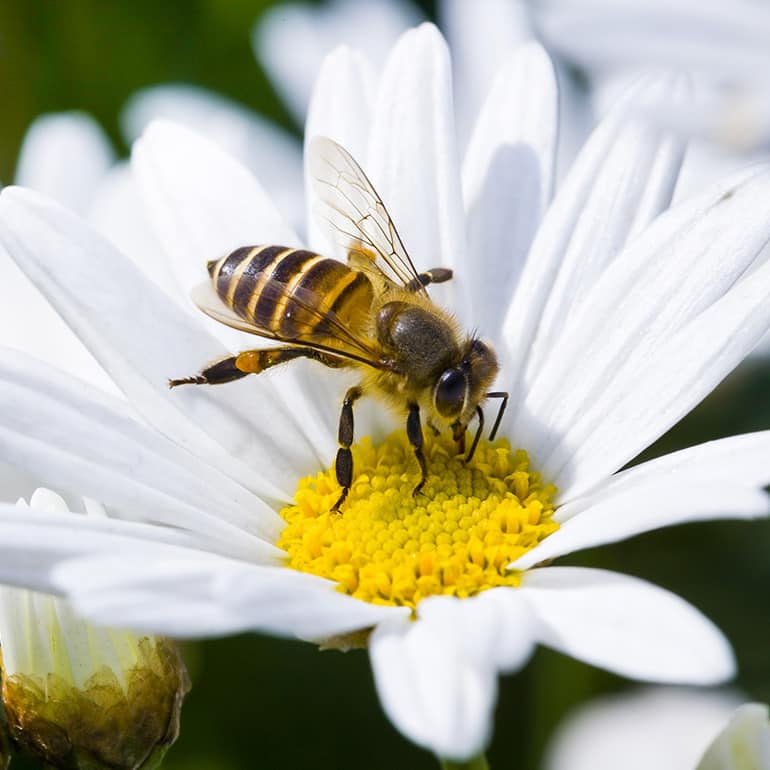
Honey Bees can become a severe problem if they find an opening to nest in like, an opening in an exterior wall, faulty flashing of a home or chimney. After finding the opening, they nest in a wall void or some other interior area. The nest can survive throughout the winter if well protected.
The nests are made of wax cells that may contain many pounds of reserved honey. If the bees are alive, they have a built in "air conditioner" by fanning their wings to keep the wax from melting. This wax will begin to melt in the warmer months if they are killed, causing the reserved honey to seep out. This may or may not cause unsightly damage, but it would attract other insects.
It is advisable to have the complete nest removed. An experienced beekeeper should only remove colonies and swarms. Removal of a colony in a structure may require several weeks.