




How to Get Rid of Mice
If you have an active mouse problem, discover how to get rid of mice, and the best Mouse Control & Extermination techniques.
December 16th, 2023
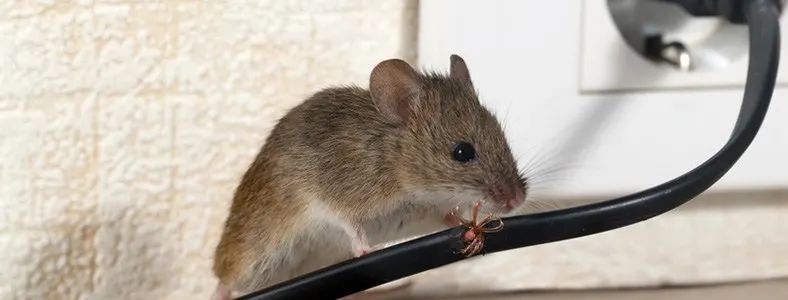
Mice infestations are unpleasant in any context, whether at home or at work. These little critters have the potential to cause havoc and spread disease.
A mouse infestation can be a serious issue. But in most cases, with a little diligence and the right mice control products, getting rid of a mice infestation and preventing them from coming back can be easier than you think.
How to Get Rid of Mice
Mouse Control Methods (Baiting and Trapping)
After inspecting for mice activity signs, set mouse traps or place mouse bait in the detected areas. Mouse traps and mouse baits are the only two reliable methods to get rid of mice infestations.
Mouse Traps
Setting mouse traps or placing out mouse bait are the most trustworthy methods of controlling mice populations. When your rodent infestation is out of control, the best method of eliminating the problem is to kill mice with snap traps (even classic wooden snap traps) or glue traps.
1. Get Rid of Mice with Trap
This method is one of the best ways to get rid of mice that enter your home and has several advantages over baiting. The top advantage of trapping is locating the dead rodent instead of finding a decomposing corpse. The next advantage is not having poison baits in the area.
2. Get Rid of Mice with Bait
Rodenticides are poison baits and should be used in areas where domestic animals and children can't reach them.
Use resistant-tamper bait stations that hold the baits in place and keep children and pets out. It is a national law and guideline to use resistant-tamper-proof bait stations in areas where children or pets could access them.
We carry single-feeding bait, one of the best ways to get rid of mice on the market. These require just one feeding for a lethal dose.
The baits come in pellets, meal, blox, or block forms.
The team at DIY Pest Control specializes in helping people get rid of mice from their ceilings, insulation, attics, and more. Our professional pest control company also provides various humane and eco-friendly mice removal products.
Inspecting for Mice
The critical first step to getting rid of a mouse infestation is to inspect possible mice activity. It is essential to find their runways and feeding areas for the proper placement of mice traps and rodent baits.
The best time to check is at dusk. Using a flashlight would be handy to see into corners and recessed areas.
Look for Signs of a Mouse Infestation
Dead Mice, Stains, and Droppings
Look for Rodent tracks, mouse droppings, live or dead mice, gnawing damage, urine stains, and grease stains. Another sign of a possible mouse infestation is having your pet suddenly become excited or upset when they detect mice activity.
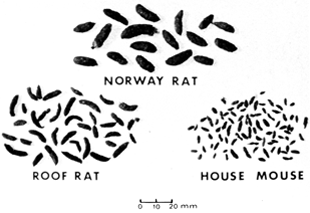
Mouse Droppings
-
Rodent Inspection provides more information on droppings and other rodent activity signs.
-
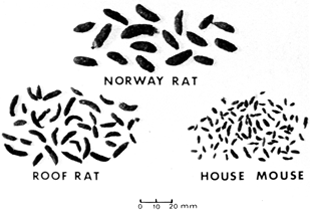
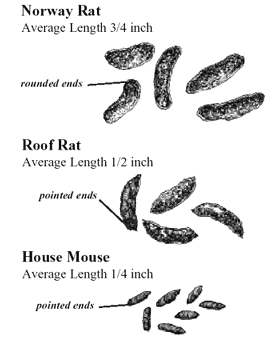
Determining if their droppings belong to a mouse or a rat is an essential first step in your investigation. Once you determine which rodent you have, you can correctly choose the correct sized trap for mouse extermination.
-
A rat-sized trap's trigger may not be sensitive enough to trap a mouse, and a mice-sized trap would not be sturdy enough to trap a rat. Also, mice will readily accept a Bromethalin rodent bait, while rats may refuse to eat it.
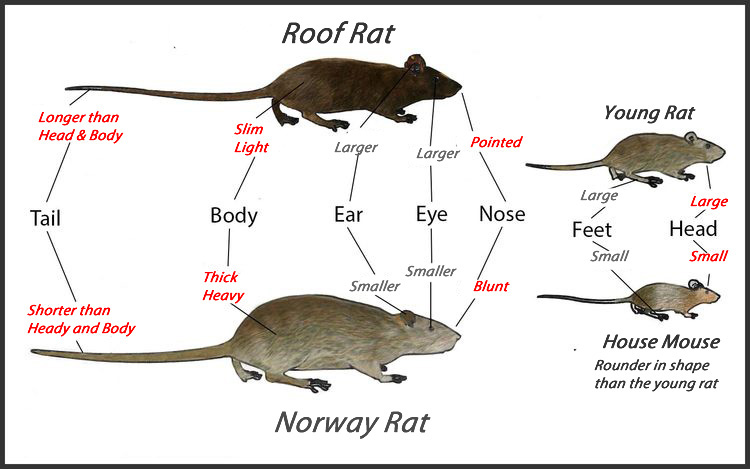
Know the Differences Between Rats and Mice
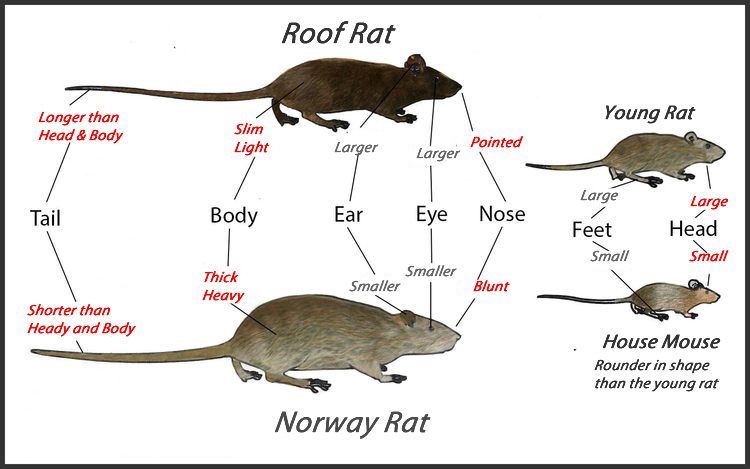
To get rid of mice successfully, identifying which type of rodent you have is the number one step. A young rat's head will be proportionally larger than its body, compared to a mouse's head and body proportions.
It may be challenging to identify a particular rodent while it is alive and running. You can see the distinctive round " Mickey Mouse" ears on a dead mouse.
How to Identify Mice
Common Mice in the USA
Before discovering how to get rid of mice most effectively, it helps to identify the species of mice that have infested your home.
House Mouse
The most common type of mouse in the USA, and the most common mammal in the world. It's that hard to get rid of them!
The House Mouse is only 1-2 inches long without its tail. The house mouse is a very light brown or, grayish color, but many color variations are possible. The tail is as long as the head and body together and is without hair. Their snout is blunt, with large ears and small eyes. The House Mouse's droppings are rod-shaped, about 0.5 inches. They prefer cereal grains.
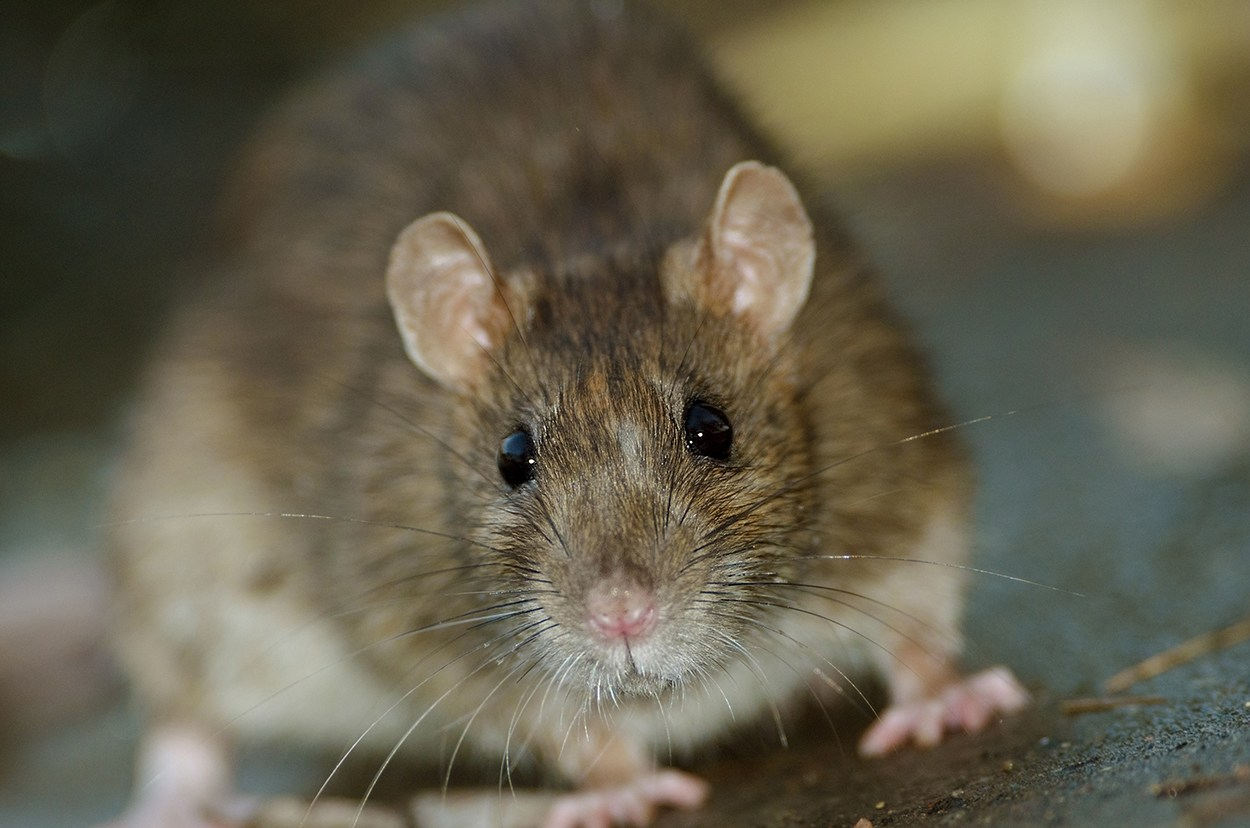
In cities, some mice may spend their entire lives inside buildings. In rural and suburban areas, buildings may live in buildings but are often found outdoors among the shrubbery, weeds, foundations, crawl spaces, storage sheds, and garages.
Mice outside feed on insects, dried fruit, and weeds seeds. During the colder weather, they may move inside as outside food sources become scarce. Once inside, mice set up their nests near food sources.
Locations Of Mice Nests
Inside nests may be in closets, cabinet voids, ceiling voids, walls, within large appliances (under refrigerators and ovens), in storage boxes, upholstery of furniture, or drawers in desks and bureaus. Outside, debris and ground burrows may house the mice. They use a soft material such as insulation or paper to make a nest that provides safety and comfort. Each nest is ruled by a dominant male, with territorial infighting among the mouse population as they jockey for positions.
A Mouse's Territory
The mouse's territory varies and is close to the food source. Average territories under "average conditions" range from 10-30 feet from the nest. Mice are nibblers, making 20 to 30 short visits to various food sites within their territories. They establish feeding spots in secure and dark locations. Droppings and odor will be at these locations.
For More Information:
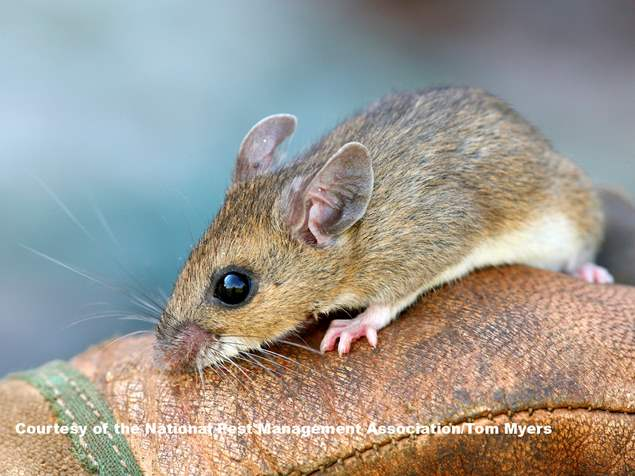
2. Deer Mouse
You can find Deer and White Footed Mice in rural areas, as they seldom enter buildings. A quick look at both habits will help you understand how to inspect and control the mice population. These mice live in burrows.
The Deer and White Footed Mice have been known Lyme and Hantavirus carriers transmitted through urine and feces.
Control methods would be the same as the other methods for the House Mouse.
Sanitation - Prevent Mouse Infestations
For a successful mice control treatment plan, removing their food sources is needed in addition to mice baits or mice traps. Mice feed on both human and pet food. If possible, get rid of any food sources that the mice can access. Mice need both food and shelter to survive.

To kill mice, remove mice, and improve a successful baiting or trapping treatment plan, remove their food supply, and reduce their shelters.
-
Enclose any exposed food (including pet food) in tight-fitting containers.
-
Kitchen floors, sinks, and countertops need to be kept clean from any food particles.
-
Ensure you are storing seeds, grain, and flour in glass or metal containers. These attract mice if they aren't properly stored.
-
Clean and disinfect rodent areas where the mice have been nesting and all runway areas. Use a dust mask and rubber or vinyl gloves. Bleach works well at a ratio of 9 parts water to 1 part bleach.
Key Takeaway
Removing potential food sources will discourage mice and make mice more likely to investigate mouse bait or traps.
Possible Mice Contamination
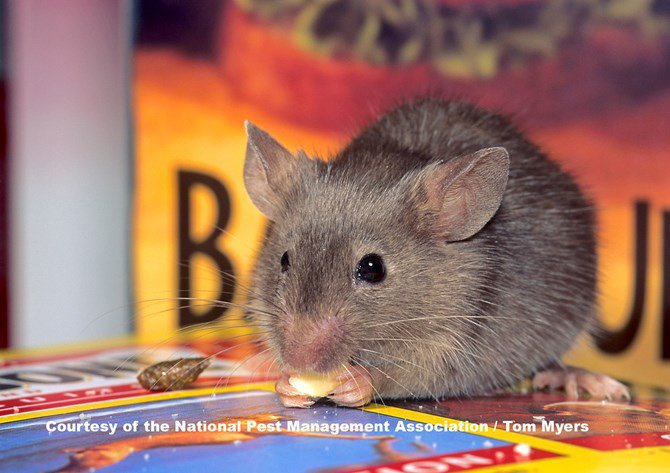
Mice may contaminate the food supply with their urine and feces. They also carry and spread diseases and allergens, this is why mice extermination is crucial. Some research shows that children in inner-city areas of eight major cities have had triggered reactions from exposure to mice urine.
Typical rodents in the USA that carry Hantavirus are Deer and White-footed mice, cotton, and rice rats, among other rodents. The southwestern part of the USA has had occurrences of the Hantavirus transmitted to humans.
Mouse Removal and Rodent Prevention
Inspect the area for openings that mice can use to enter your home. Mice can enter through cracks in foundations, floors, or walls. A mouse can fit through a very tiny opening due to its soft cartilage.
They can also squeeze through small gaps around utility lines and drainage pipes. Detect possible entry points and possible exclusion materials.
All openings that are larger than 1/4" should be sealed to exclude mice.
Unfortunately, it may be challenging to find all entry points since mice can enter through such small openings.
Remove all Possible Nesting Materials
Store all fabric, rugs, and blankets in heavy-duty plastic storage boxes to ensure mice don't discover these soft materials and use them as nesting materials.
Mice will chew through cardboard, paper, or lightweight plastic to construct nests, so it's best to get rid of your recycling or garbage in trash cans as soon as possible.
Pay attention to the exterior of your house as well. Keep your property clean and clear of waste on the interior and outdoors by removing vegetation and tree branches within three feet of the foundation.
Natural mouse repellents
Mice have a keen sense of smell, which you may utilize to your advantage when undergoing a mouse extermination process or when implementing a rodent control plan.
Peppermint oil, chili pepper, and cloves are all repulsive to mice. Purchase any of these essential oils from your local health food shop, and soak cotton balls in them.
Place the cotton balls anywhere mice have been found, such as beneath appliances or in the backs of cupboards. Toothpaste, bleach, and vinegar are other viable options.
Mouse Control Routine
The best way to prevent mice infestations is to build a solid mouse control routine. You can begin preparing your rodent control program by ensuring entry points are sealed up or blocked so you won't find pesky mice inside during the colder months.
You can block an entry point by stuffing steel wool. Mice hate steel wool, wire mesh, duct tape, and stringy metal materials that block their movement.
Continue with a regular routine of checking for food supplies and ensuring they are stored in sealed containers.
There are many natural deterrents that mice will avoid as well, such as peppermint and clove oil.
Routinely inspect your home's weather stripping and your home's foundation for signs of these unwanted visitors. You may notice gnaw marks and other signs of them building nests.


How to Get Rid of Mice & Mouse Control
Mouse Control & Extermination

Whether it is in a house or a business, the thought of having mice is unsettling. They are destructive and can spread disease. Don’t worry. Having mice can be a serious issue. But in most cases, with a little diligence and the right mice control supplies and guidance, getting rid of mice and preventing them from coming back can be easier than you might think.
1. Inspection and Identification
The critical first step to getting rid of mice is to inspect possible mice activity. It is essential to find their runways and feeding areas for proper placements of mice traps and rodent baits.
The best time to check is at dusk. Using a flashlight would be handy to see into corners and recessed areas.
Look for Rodent tracks, Mice droppings, live or dead mice, gnawing damage, urine stains, and grease stains. Another sign of possible mice activity is having your pet suddenly become excited or upset when mice enter an area.
- Rodent Inspection provides more information on droppings and other rodent activity signs.
- Determining if their droppings belong to a mouse or a rat is an essential first step in your investigation. Once you determine which rodent you have, you can correctly choose the correct sized trap. A rat-sized trap's trigger may not be sensitive enough to trap a mouse, and a mice-sized trap would not be sturdy enough to trap a rat. Also, mice will readily accept a Bromethalin rodent bait, while rats may refuse to eat it.
Know the Differences Between Rats and Mice
To get rid of mice successfully, identifying which type of rodent you have is the number one step. A young rat's head will be proportionally larger to its body than a mouse's head to its body. It may be challenging to identify a particular rodent while it is alive and running. You can see the distinctive round " Mickey Mouse" ears on a dead mouse.
2. Sanitation
For a successful mice control treatment plan, removing their food sources is needed in addition to mice baits or mice traps. Mice feed on both human and pet food. If possible, get rid of any food sources that the mice can access. Mice need both food and shelter to survive. To improve a successful baiting or trapping treatment plan, remove their food supply, and reduce their shelters if possible.

- Enclose any exposed food (including pet food) in tight-fitting containers.
- Kitchen floors, sinks, and countertops need to be kept clean from any food particles.
- Clean and disinfect rodent areas where the mice have been nesting and all runway areas. Use a dust mask and rubber or vinyl gloves. Bleach works well at a ratio of 9 parts water to 1 part bleach.
- Read the section on Sanitation as well; Sanitation is an essential consideration in all rodent control.
Key Takeaway
Removing potential food sources will make mice more likely to investigate a mouse bait or traps.
Possible Mice Contamination
Mice may contaminate food supplies with their urine and feces. They also carry diseases and allergens. Some research shows that children in inner-city areas of eight major cities have had triggered reactions from exposure to mice urine. Typical rodents in the USA that carry Hantavirus are Deer and White-footed mice, cotton, and rice rats. The southwestern part of the USA has had occurrences of the Hantavirus transmitted to humans.
Mice Damages and Diseases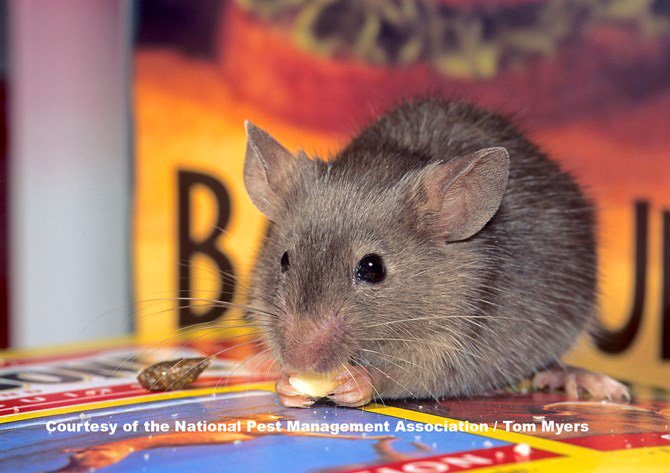

3. Exclusion and Rodent Prevention
Inspect the area for openings that mice can use to enter your home. Mice can enter through cracks in foundations, floors, or walls. A mouse can fit through a very tiny opening due to its soft cartilages. They can also squeeze through small gaps around utility lines and drainage pipes. Detect possible entry points and possible exclusion materials.
- All openings that are larger than 1/4" should be sealed to exclude mice.
- Unfortunately, it may be challenging to find all entry points since mice can enter through such small openings.
4. Mouse Control Methods (Baiting and Trapping)
After inspecting for mice activity signs, set mouse traps or place mouse bait in the detected areas. Mousetraps and mouse baits are the only two reliable methods to get rid of a mice infestation.
Setting mice traps or placing out mouse bait are the most trustworthy methods of controlling mice populations.
Trapping provides some advantages over using rodent baits. The top advantage of trapping is locating the dead rodent instead of a decomposing corpse. The next advantage is not having poison baits in the area.
Reduce Mice Population By Mice Bait
Common Mice in the USA
The House Mouse is the most common type of mouse in the USA.
The House Mouse is only 1-2 inches long without its tail. The house mouse is a brown, grayish color, but many color variations are possible. The tail is as long as the head and body together and is without hair. Their snout is blunt with large ears and small eyes. The House Mouse's droppings are rod-shaped, about 0.5 inches. They prefer cereal grains.
In cities, some mice may spend their entire lives inside buildings. In rural and suburban areas, mice may live in buildings but are often found outdoors among the shrubbery, weeds, foundations, crawl spaces, storage sheds, and garages. Mice outside feed on insects and weeds seeds. During the colder weather, they may move inside as outside food sources become scarce. Once inside, mice set up their nests near food sources.
Inside, mice nests may be in closets, cabinet voids, ceiling voids, walls, within large appliances (under refrigerators and ovens), in storage boxes, upholstery of furniture, or drawers in desks and bureaus. Outside, debris and ground burrows may house the mice. They use a soft material such as insulation or paper to make a soft nest that provides safety and comfort. Each nest is ruled by a dominant male, with territorial infighting among the population as they jockey for positions.
The mouse's territory varies and is close to the food source. Average territories under "average conditions" range from 10-30 feet from the nest. Mice are nibblers, making 20 to 30 short visits to various food sites within their territories. They establish feeding spots in secure and dark locations. Droppings and odor will be at these locations.
For More Information:
House Mouse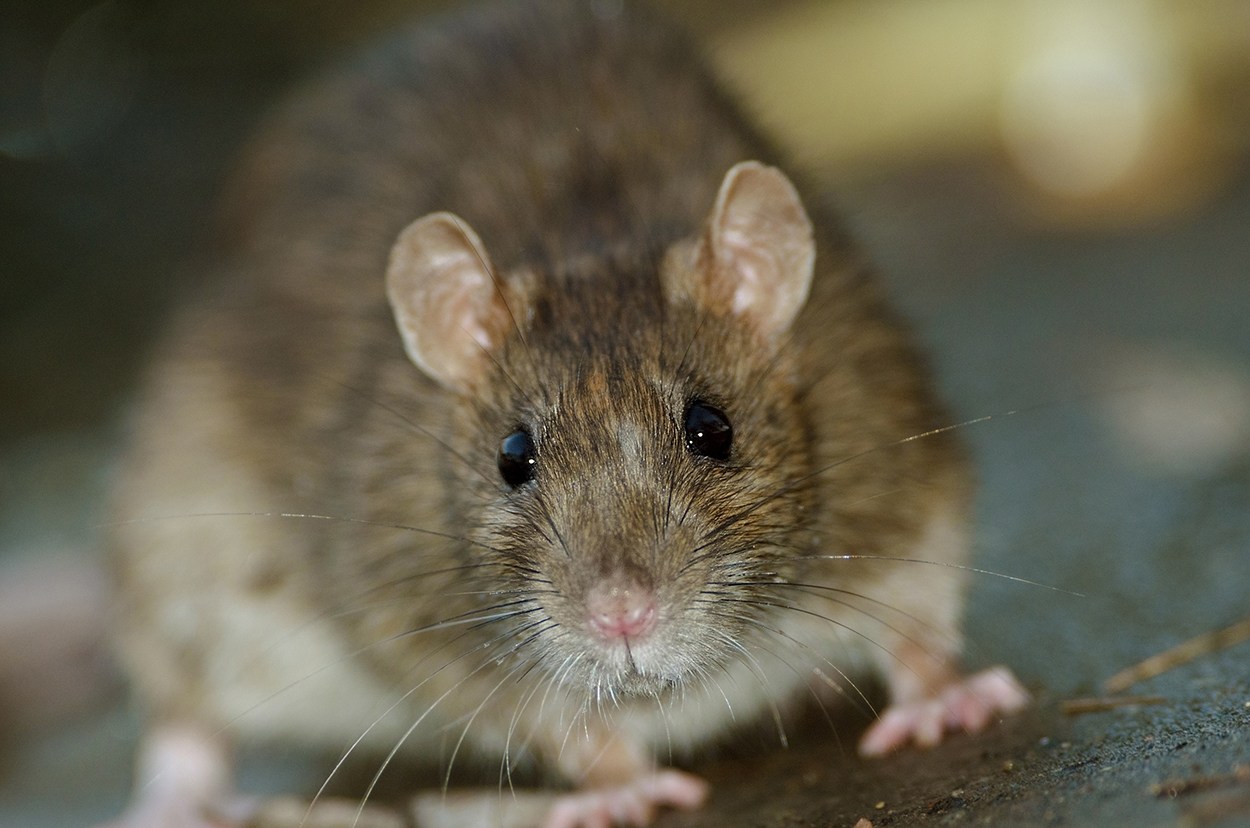
Rodenticides are poison baits and should be used in areas where domestic animals and children can't reach.
Use resistant-tamper bait stations that hold the baits in place and keep children and pets out. It is a national law and guideline to use resistant-tamper-proof bait stations in areas where children or pets could access them.
We carry single feeding bait (requires just one feeding for a lethal dose.
The baits come in pellets, meal, blox, or block forms.
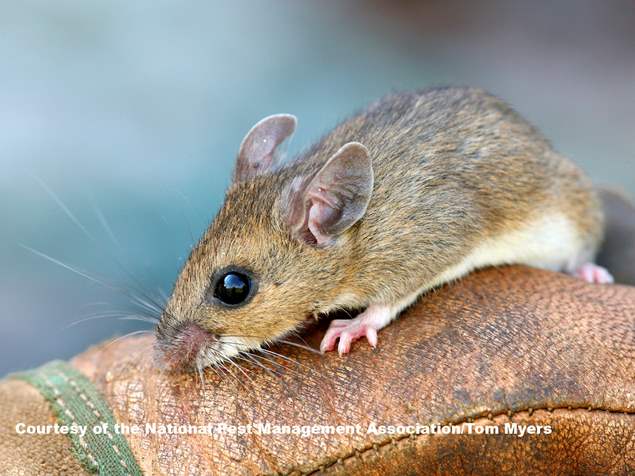
You can find Deer and White Footed Mice in rural areas and seldom enter buildings. A quick look at both habits will help you understand how to inspect and control the mice population. These mice live in burrows.
The Deer and White Footed Mice have been known Lyme and Hantavirus carriers transmitted through urine and feces.
Control methods would be the same as for the House Mouse.
For More Information:
Deer and White-Footed MouseDifferences Between House Mice and Deer Mouse
| Deer Mouse | House Mouse | |
| Home | Burrow | Nest |
| Color | Brown with white belly | Grey or light brown, no white spots |
| Tail | Long and thin, no hairs | Thick and long with scales |
| Back Legs | Long and strong | Small |
| Habitat | Fields, Pastures, Forests | Homes and storage areas |
| Habits | Stores food in its burrow | Constantly eats; eats on the spot |
| Smell | None | Nests have a rodent smell |
Written by our resident pest control expert Ken Martin.